A curated collection of the 3 best alternatives to Notion.
A workspace for notes, documents, knowledge and project planning.
Editorially curated
· Updated · 3 alternatives
Choosing an alternative to Notion
Looking for a different way to organize your work? These three Notion alternatives take different approaches to documents, visual thinking and personal knowledge.
Start with your workflow. Explore AppFlowy for a customizable team workspace, AFFiNE for writing and visual planning together, or Anytype for a local-first knowledge space. The order is an editorial starting point, not a benchmark or an objective score.
Check each provider's current plans, platform support and import options before moving an existing workspace. Self-hosting, offline access and collaboration work differently across these products.
1A
AppFlowy
appflowy.com
Bring documents, wikis and projects into a customizable team workspace.
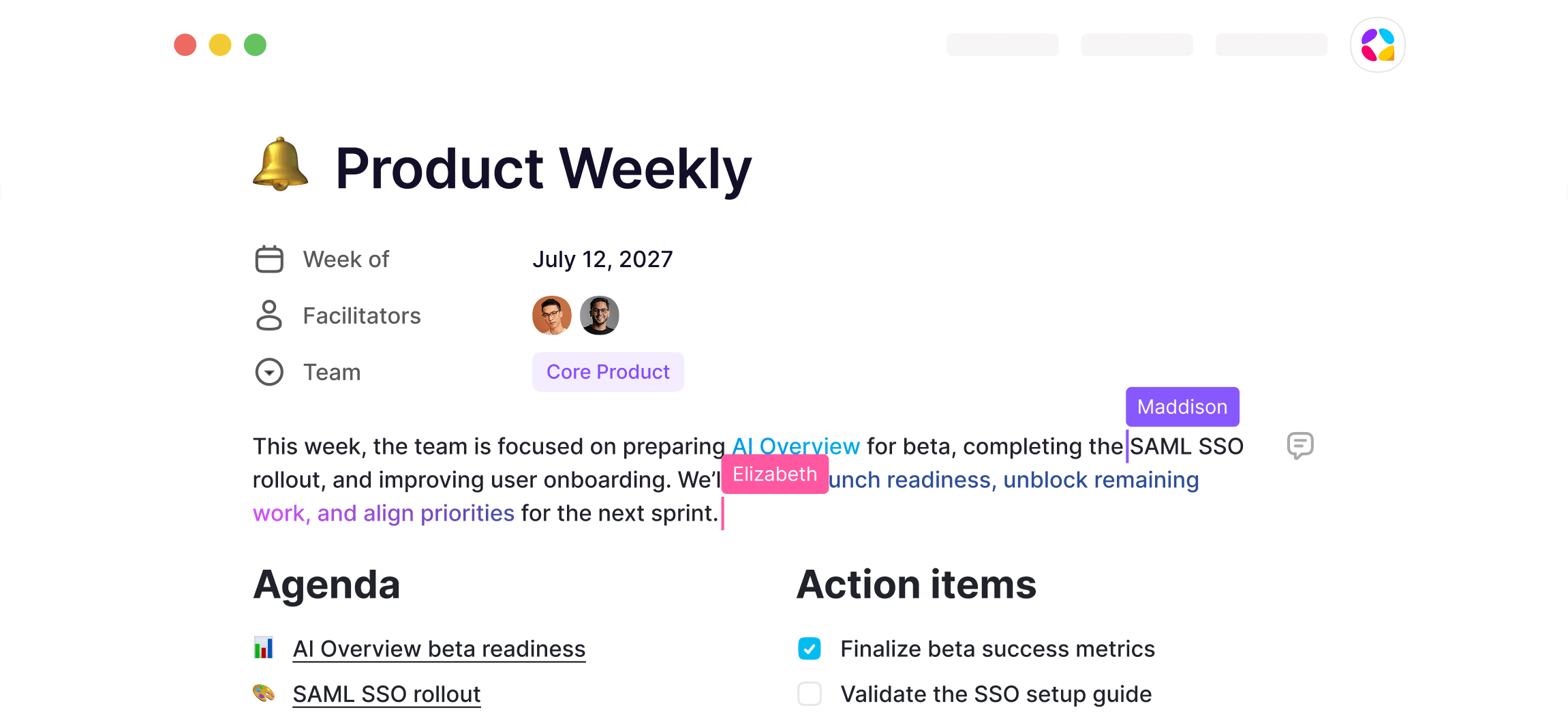
AppFlowy combines documents, team knowledge and project organization in one workspace. Its deployment options include self-hosting, making it worth considering when control over infrastructure matters.
A useful fit for: teams that want a familiar document-based workspace with more control over how it is deployed.
Before switching: check the features available in your chosen deployment, test an import with a small sample and confirm the collaboration tools your team relies on.
2A
AFFiNE
affine.pro
Move between structured documents and a visual canvas in one workspace.
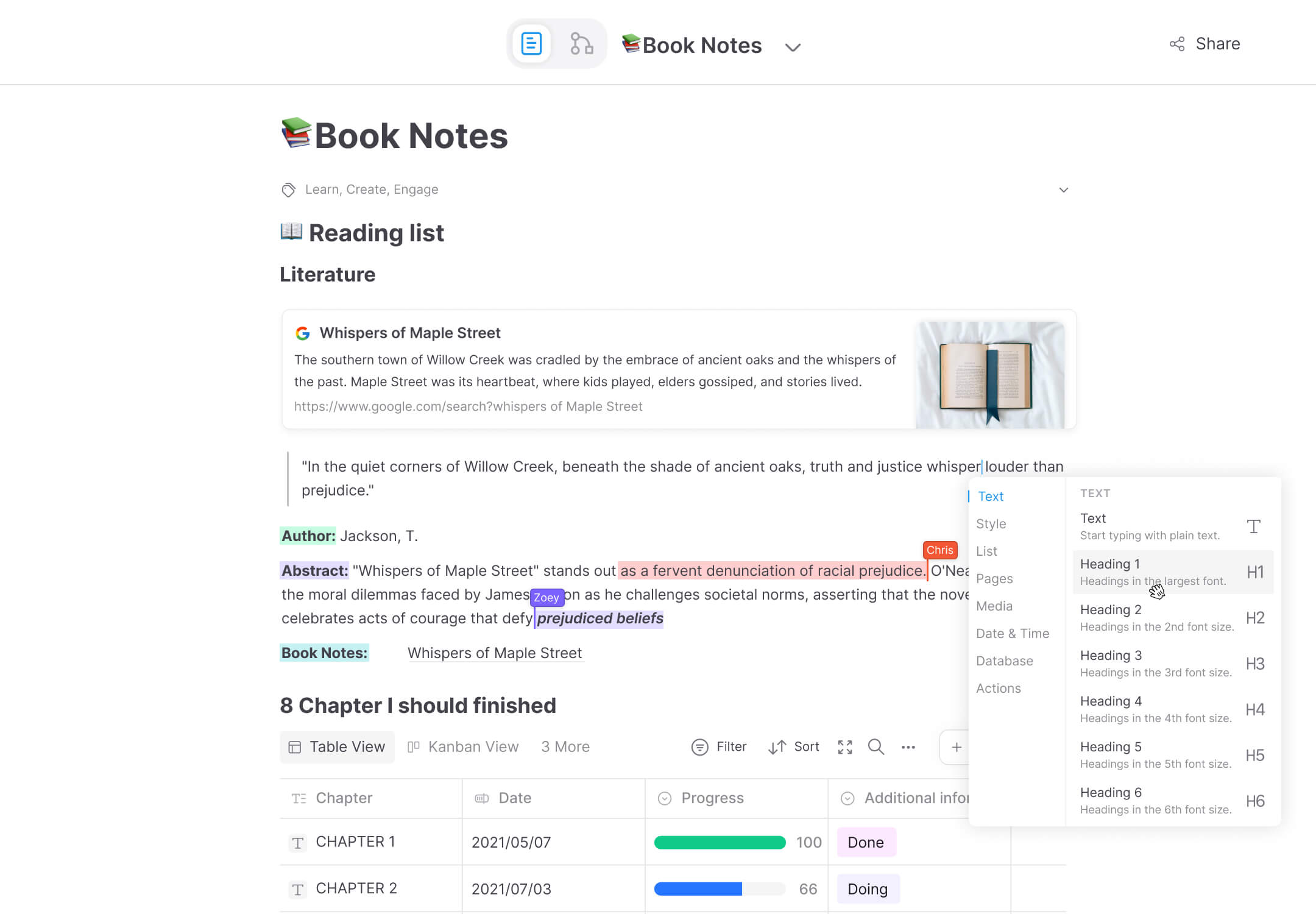
AFFiNE brings writing, whiteboards and databases together. It is designed for switching between structured notes and visual thinking, with a local-first approach to working with your content.
A useful fit for: people who move between research notes, brainstorming and project planning.
Before switching: compare the document and canvas workflow with your current setup, and check the requirements for syncing, collaboration and your preferred deployment.
3A
Anytype
anytype.io
Build an interconnected knowledge space with local-first storage.
Anytype organizes knowledge as connected objects rather than only a hierarchy of pages. Its local-first approach supports working offline, with encrypted synchronization options.
A useful fit for: people who want to connect notes, projects and other information in a personal knowledge space.
Before switching: try its object model with a small project and review sharing, backup and import options. Anytype describes its applications as source-available; do not assume the app license is the same as its MIT-licensed protocol.